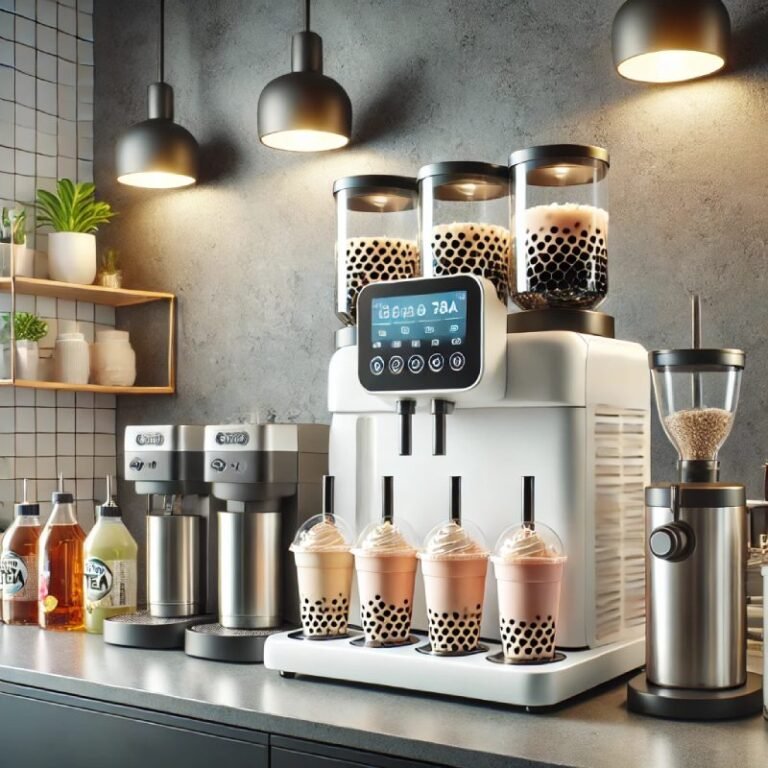
The aroma of freshly brewed tea, the satisfying chew of tapioca pearls, and the vibrant colors of fruit-infused concoctions – boba tea has transcended its origins to become a global phenomenon. For entrepreneurs eyeing this booming market, understanding Boba Tea Equipment & Supplies is not just a detail; it's the bedrock of a successful, scalable operation. You're not just selling a drink; you're offering an experience, and that starts with the right tools and ingredients.
At a glance: Setting Up Your Boba Business for Success
- Essential Equipment: From basic shakers to automated pearl cookers, know what tools streamline your workflow.
- Quality Ingredients: Sourcing premium teas, fresh tapioca, and authentic flavorings is non-negotiable for customer loyalty.
- Station Design: Optimize your space for efficiency, hygiene, and a stellar customer experience.
- Smart Sourcing: Learn how to choose reliable suppliers and make informed decisions on buying vs. leasing.
- Common Pitfalls: Avoid costly mistakes by understanding capacity needs and the importance of ongoing training.
The Boba Boom: More Than Just a Trendy Sip
Boba tea, often interchangeably called bubble tea, has exploded onto the global scene, evolving from a niche Asian delight to a mainstream sensation. You'll find boba shops popping up on every street corner, nestled in malls, and integrated into existing cafes and restaurants. Why the surge? It’s not just a drink; it's an interactive, customizable, and visually appealing treat. Adding it to your menu isn't just about diversification; it's about capturing a devoted customer base who won't hesitate to seek out their favorite chewy refreshment.
This widespread appeal means an incredible opportunity for businesses. With the right approach, boba tea can be an easy addition to your existing offerings, simple for staff to prepare, and a guaranteed magnet for repeat customers. The key, as many successful vendors have learned, lies in delivering consistently high-quality products that distinguish you from the competition. Award-winning products, like those recognized for "Best of the Best" quality in the industry, often rely on perfected recipes and a deep understanding of ingredients.
Your Foundation: Essential Boba Tea Equipment for a Smooth Operation
Building a thriving boba tea business requires more than just enthusiasm; it demands the right gear. Think of your equipment as the backbone of your daily operations, ensuring consistency, efficiency, and quality in every cup.
Brewing & Mixing: The Heart of Your Drinks
The fundamental flavors of your boba tea depend heavily on how you brew your teas and mix your ingredients.
- Tea Brewers: While simple stovetop methods work for small batches, a commercial tea brewer ensures consistency and efficiency. Look for models that can handle various tea types (black, green, oolong) and offer precise temperature and steeping time controls. Some advanced brewers can even program different brewing profiles for optimal flavor extraction.
- Tea Shakers/Shaker Machines: The iconic boba tea experience often involves a perfectly blended, slightly frothy drink. Manual shakers are cost-effective for low-volume businesses, but an automatic shaker machine vastly improves speed, consistency, and reduces staff fatigue during peak hours. These machines mimic the human shaking motion, ensuring thorough mixing of tea, ice, syrups, and other ingredients.
- Blenders: For blended drinks, smoothies, or slushies, a heavy-duty commercial blender is indispensable. It needs to handle ice, fruit, and powders effortlessly, producing a smooth, consistent texture without overheating. Opt for models with variable speed settings and durable blades.
- Syrup & Fructose Dispensers: Precision is crucial for flavor consistency. Automatic fructose dispensers ensure the exact amount of sweetener every time, while pump dispensers for syrups (like fruit purees or flavored syrups) offer quick and clean measurement, minimizing waste and speeding up service.
Pearl Preparation: The Signature Chew
Tapioca pearls are the soul of boba tea, and preparing them perfectly is an art.
- Tapioca Pearl Cookers: Cooking tapioca pearls evenly and to the right chewy consistency (the perfect "Q" factor) is paramount. Automatic tapioca cookers take the guesswork out of the process, maintaining optimal temperature and stirring pearls to prevent sticking. They're a significant time-saver and ensure batch-to-batch consistency, freeing staff for other tasks.
- Pearl Warmers/Dispensers: Once cooked, tapioca pearls need to be kept warm and pliable without becoming mushy. Heated pearl dispensers or warmers maintain the ideal temperature and texture, ready for serving. Some models also act as dispensers, making it easy to scoop the right amount into each cup.
Sealing & Serving: Professional Presentation
The presentation of your boba tea contributes significantly to the customer experience and often dictates your operational flow.
- Cup Sealing Machines: These machines apply a thin, heat-sealed film over the cup opening, creating a spill-proof, tamper-evident seal. This not only enhances professionalism but also allows customers to transport their drinks without worry. You can choose between semi-automatic and fully automatic models depending on your volume. Custom-printed sealing films can also be a powerful branding tool.
- Custom Cups & Lids: Beyond just functionality, branded cups and lids are mobile advertisements. Investing in high-quality, aesthetically pleasing cups that reflect your brand identity is a smart move. Consider different cup sizes (e.g., 16 oz, 24 oz) to cater to various customer preferences.
- Boba Straws: The wider diameter of boba straws is essential for enjoying the tapioca pearls and other toppings. Offer both reusable and disposable options, and consider eco-friendly materials if aligning with sustainable practices is important for your brand.
Storage & Refrigeration: Maintaining Freshness
Ingredient freshness is non-negotiable for quality and food safety.
- Ingredient Bins/Containers: Properly sealed, food-grade containers are vital for storing dry ingredients like tea leaves, powders, and uncooked tapioca pearls, protecting them from moisture, pests, and air exposure.
- Commercial Refrigerators & Freezers: Essential for storing fresh fruits, milk, creams, syrups, and any perishable toppings. Ensure you have sufficient capacity to handle your daily stock and maintain optimal temperatures.
Tools & Utensils: The Everyday Essentials
Don't overlook the smaller, yet critical, items that ensure smooth operations.
- Measuring Cups & Spoons: Accuracy in recipes is key to consistency.
- Stirring Spoons & Whisks: For manual mixing and stirring.
- Strainers: To remove tea leaves or unwanted bits from beverages.
- Ice Scoops: For hygienic ice handling.
- Cleaning Supplies: Regular cleaning of all equipment is paramount for hygiene and longevity.
The Heart of the Drink: Sourcing Quality Boba Tea Supplies
The most sophisticated equipment is only as good as the ingredients it processes. Your boba tea's flavor, texture, and overall appeal hinge on the quality of your supplies. This is where you can truly differentiate your business.
Teas: The Flavor Foundation
Premium tea leaves form the base of most boba drinks. Sourcing high-quality teas is crucial for an authentic and rich flavor profile.
- Black Tea: Often used for classic milk teas due to its robust flavor, like Assam or Ceylon.
- Green Tea: Offers a lighter, sometimes grassy, profile, popular in fruit teas or jasmine milk tea.
- Oolong Tea: A semi-oxidized tea, offering a complex flavor profile that balances between black and green tea.
- Herbal & Specialty Teas: Options like hibiscus, rooibos, or fruit teas can expand your menu and cater to diverse tastes.
Many top suppliers, understanding the demand for excellence, source premium teas directly from privately owned Taiwanese mountains, offering unique blends that honor traditional farming while appealing to modern palates.
Tapioca Pearls: The Iconic "Boba"
The chewy tapioca pearls (boba) are what define the drink.
- Black Tapioca Pearls: The most common variety, made from cassava starch, offering that classic chewy texture.
- Clear Tapioca Pearls: Similar in texture but visually transparent, often used in fruitier drinks.
- Popping Boba: Fruit juice-filled spheres that burst in the mouth, adding a fun textural contrast and flavor burst.
- Mini Boba: Smaller pearls that are easier to consume, sometimes preferred by younger customers.
Consistency in cooking and quality of the pearls themselves are critical for that perfect "Q" factor – a balance of chewiness and softness.
Syrups & Powders: Flavor, Sweetness, and Creaminess
These ingredients are responsible for the vast array of flavors and the customizable nature of boba tea.
- Fruit Syrups/Purees: Concentrated fruit flavors (mango, passion fruit, lychee, strawberry) essential for fruit teas and flavor customization.
- Flavor Powders: Used to create creamy milk teas in various flavors like taro, matcha, Thai tea, or even unique blends that merge traditional Asian flavors with Western tastes.
- Non-Dairy Creamers: Crucial for achieving the creamy texture of milk teas, especially for customers with dairy restrictions.
- Fructose: A common sweetener, often dispensed automatically for precision, ensuring consistent sweetness levels.
Toppings & Add-ins: Texture and Excitement
Beyond tapioca, a variety of toppings add texture, flavor, and visual appeal.
- Jellies: Lychee jelly, grass jelly, coffee jelly, and more add diverse textures.
- Puddings: Egg pudding, custard pudding, and other creamy additions.
- Fruit Bits: Fresh or canned fruit pieces for an extra burst of flavor and a natural touch.
- Cheese Foam/Crema: A popular savory-sweet topping that adds a rich, frothy layer.
Custom Packaging: Branding and Practicality
Your packaging is a direct extension of your brand and customer experience.
- Custom-Branded Cups: As mentioned, these are mobile advertisements. Consider eco-friendly options.
- Lids & Sealing Films: Ensure they are compatible with your sealing machine and feature your branding.
- Boba Straws: Stock a good quantity of the appropriate wide straws.
When seeking suppliers for these ingredients, prioritize those who commit to the highest levels of product quality, customer service, and responsible sourcing. Many reputable suppliers own their warehouses and source goods directly from producers with sustainable operations, ensuring both quality and ethical practices. This commitment to quality products, along with access to resources like online training and tutorial videos, can empower businesses to craft millions of "Bubble Tea smiles." Explore the world of bobas to dive deeper into ingredient nuances.
Setting Up Your Boba Station: Design & Workflow for Peak Efficiency
An efficient boba tea station isn't just about having the right equipment; it's about how you arrange it. A thoughtful layout can significantly impact service speed, staff productivity, and overall customer satisfaction.
Layout Considerations: The Flow Is Key
Think about the journey of a drink, from order to hand-off.
- Prep Zone: This is where teas are brewed, syrups are prepared, and tapioca pearls are cooked and kept warm. Keep this area distinct but accessible.
- Mixing Zone: Shaker machines, blenders, fructose dispensers, and ice bins should be within easy reach here. This is often the bottleneck during peak hours, so optimize for speed.
- Topping Station: All your jellies, popping boba, and other add-ins should be clearly visible and easily accessible to staff.
- Sealing & Hand-off: The cup sealing machine and final straw dispenser should be near the point of sale for quick customer pick-up.
- Washing/Sanitation: A dedicated sink and dishwashing area are essential for hygiene, located where dirty equipment can be easily deposited.
Efficiency Tips to Maximize Output
- Ergonomics: Arrange equipment so staff can work with minimal unnecessary movement. Everything should be at a comfortable height.
- Mise en Place: Have all ingredients prepped and ready before service begins. Cooked tapioca pearls, brewed teas, and pre-measured syrups save valuable time.
- Designated Roles: During busy periods, assign specific tasks (e.g., one person brews, one mixes, one seals) to streamline the process.
- Clear Labeling: Label all containers, especially for syrups and powders, to avoid errors and speed up preparation.
- Strategic Storage: Keep frequently used items closer, less frequently used items further away but still accessible.
Hygiene and Food Safety: Non-Negotiables
Beyond efficiency, strict adherence to hygiene standards is paramount for any food service business.
- Sanitization Stations: Ensure hand sanitizers and washing facilities are easily accessible.
- Regular Cleaning Schedule: Implement a strict cleaning regimen for all equipment, countertops, and floors throughout the day.
- Temperature Control: Monitor and maintain correct temperatures for perishable ingredients in refrigerators and for cooked tapioca pearls in warmers.
- Cross-Contamination Prevention: Use separate utensils for different ingredients and maintain a clean workspace to prevent cross-contamination.
Making Smart Decisions: Buying vs. Leasing & New vs. Used Equipment
Equipping your boba tea business is a significant investment. Understanding your options can help you make financially sound decisions.
Buying New Equipment: The Full Package
Pros:
- Warranty & Support: New equipment typically comes with a manufacturer's warranty and customer support.
- Latest Technology: You get the most up-to-date features, often leading to better efficiency and consistency.
- Reliability: Lower risk of breakdowns and maintenance issues, ensuring consistent operation.
- Aesthetics: Fresh, clean equipment enhances your shop's professional image.
Cons: - Higher Upfront Cost: Requires a significant initial capital investment.
- Depreciation: Equipment value depreciates over time.
Buying Used Equipment: Budget-Friendly Option
Pros:
- Lower Cost: Significantly reduces initial investment.
- Faster ROI: You can recoup your costs more quickly.
Cons: - No/Limited Warranty: Higher risk of needing repairs.
- Unknown History: You might inherit problems from the previous owner.
- Older Technology: May lack the efficiency or features of newer models.
- Potential for Downtime: More prone to breakdowns, which can impact operations.
When to Consider Used: For non-critical items or if you have in-house maintenance expertise. Always inspect thoroughly and test before purchasing.
Leasing Equipment: Flexibility and Cash Flow Management
Pros:
- Lower Upfront Costs: Preserves capital for other areas of your business.
- Tax Benefits: Lease payments are often tax-deductible.
- Upgrade Flexibility: Easier to upgrade to newer models when your lease expires.
- Maintenance Often Included: Some leases include maintenance and repair services.
Cons: - Higher Long-Term Cost: Total cost over the lease term can be higher than purchasing.
- No Ownership: You don't own the equipment at the end of the lease (unless it's a lease-to-own agreement).
- Commitment: Leases are contracts, and breaking them can be costly.
When to Consider Leasing: Ideal for startups with limited capital, businesses wanting to test the market, or those who frequently upgrade technology.
Budgeting for Success
Regardless of your choice, create a detailed budget that includes:
- Equipment Costs: Purchase price or lease payments.
- Installation Costs: If applicable for larger machines.
- Shipping & Delivery: Especially for bulky items.
- Initial Supply Stock: Teas, pearls, syrups, cups, straws.
- Maintenance & Repairs: Allocate funds for ongoing upkeep.
- Contingency Fund: Always have extra for unexpected expenses.
Pitfalls to Avoid When Equipping Your Boba Tea Business
Even with the best intentions, missteps in equipment and supply sourcing can hinder your business before it even gets off the ground.
- Underestimating Capacity Needs: Buying equipment that's too small for your projected volume leads to slow service, overworked staff, and missed sales. Conversely, overinvesting in industrial-sized machines for a small startup can strain your budget unnecessarily. Assess your expected daily orders and peak hour demands carefully.
- Ignoring Quality for Price: While saving money is important, cheap equipment often means unreliable performance, frequent breakdowns, and inconsistent product quality. This damages your brand and leads to costly repairs or replacements in the long run. Investing in quality equipment and ingredients, like those recognized by industry awards for "Best of the Best," pays dividends through reliability and customer satisfaction.
- Inadequate Ingredient Storage: Improper storage of perishable items like milk, fresh fruit, or even cooked tapioca pearls (which have a short shelf life) leads to spoilage, waste, and potential health risks. Ensure you have ample, appropriate refrigeration and airtight containers.
- Neglecting Staff Training: Even the best equipment is useless without properly trained staff. Invest time in teaching employees how to operate machines safely, follow recipes accurately, and maintain hygiene standards. Many reputable suppliers offer online catalogs of training and tutorial videos to help you get started, sharing "secrets" to success.
- Lack of Redundancy (for critical items): What happens if your single pearl cooker breaks down during your busiest shift? For critical equipment, consider having a backup plan or at least the ability to quickly revert to manual methods if automation fails.
- Not Considering Future Expansion: Try to choose equipment that can scale with your business. Modular components or easily expandable systems can save you from completely overhauling your setup down the line.
Beyond the Basics: Enhancing Your Boba Offering
Once you've mastered the fundamentals of Boba Tea Equipment & Supplies, you can explore ways to innovate and stand out.
- Specialty Ingredients: Experiment with unique tea blends, artisanal syrups, or locally sourced fruit purees to create signature drinks.
- Seasonal Menus: Introduce seasonal fruit teas or holiday-themed boba drinks to keep your menu fresh and exciting.
- Health-Conscious Options: Offer sugar-free syrups, dairy-free milk alternatives, or fresh fruit boba for customers seeking healthier choices.
- Loyalty Programs & Promotions: Encourage repeat business with loyalty cards or special discounts.
- Strong Branding: Develop a cohesive brand identity that resonates with your target audience, from your logo and shop aesthetic to your packaging. A distinctive brand story can be just as appealing as your delicious drinks.
Frequently Asked Questions About Boba Tea Equipment
What is the most crucial piece of boba tea equipment for a new business?
While all equipment plays a role, a reliable tea brewer and a quality tapioca pearl cooker are often considered the most crucial. They directly impact the two core components of a great boba drink: the tea base and the pearls' texture. Investing in these ensures your foundational product is excellent.
How much space do I need for a boba tea station?
The space required varies significantly based on your business model. A small kiosk might need only 50-100 sq ft, focusing on compact, multi-functional equipment. A full-service shop with a seating area could require 500+ sq ft to accommodate brewing, mixing, storage, and customer flow. Prioritize workflow efficiency within your available footprint.
Can I start a boba tea business with minimal equipment?
Absolutely! Many successful boba ventures begin small. You can start with basic equipment like manual shakers, stovetop pearl cooking (for smaller batches), and simple ingredient storage. As your business grows and demand increases, you can gradually invest in automated machines like cup sealers, automatic shakers, and larger pearl cookers.
Where can I find reliable suppliers for boba tea equipment and ingredients?
Look for suppliers that specialize in boba tea. Reputable ones often have a strong online presence, offer a broad selection of products blending traditional and modern influences (e.g., premium Taiwanese teas, Eastern-flavored Western snacks), and emphasize quality sourcing, customer service, and competitive pricing. Seek out those who provide training resources and support for new businesses.
How often should I replace my boba tea equipment?
The lifespan of equipment varies. High-quality commercial equipment can last 5-10 years or more with proper maintenance. Smaller, less robust items like blenders or manual shakers might need replacement every 1-3 years depending on usage. Regular maintenance, cleaning, and prompt repairs can extend the life of your investments.
Your Next Steps: Building a Boba Business That Lasts
Embarking on a boba tea venture is an exciting journey. By understanding the intricacies of Boba Tea Equipment & Supplies, you’re not just preparing to make drinks; you’re laying the groundwork for a thriving business. Prioritize quality, design for efficiency, and always keep the customer experience at the forefront.
Your success will come from a combination of the right tools, premium ingredients, a well-trained team, and a deep passion for crafting delicious experiences. Take what you've learned here, combine it with a clear vision for your brand, and start dancing around, just like the tapioca pearls in your future customers' cups.