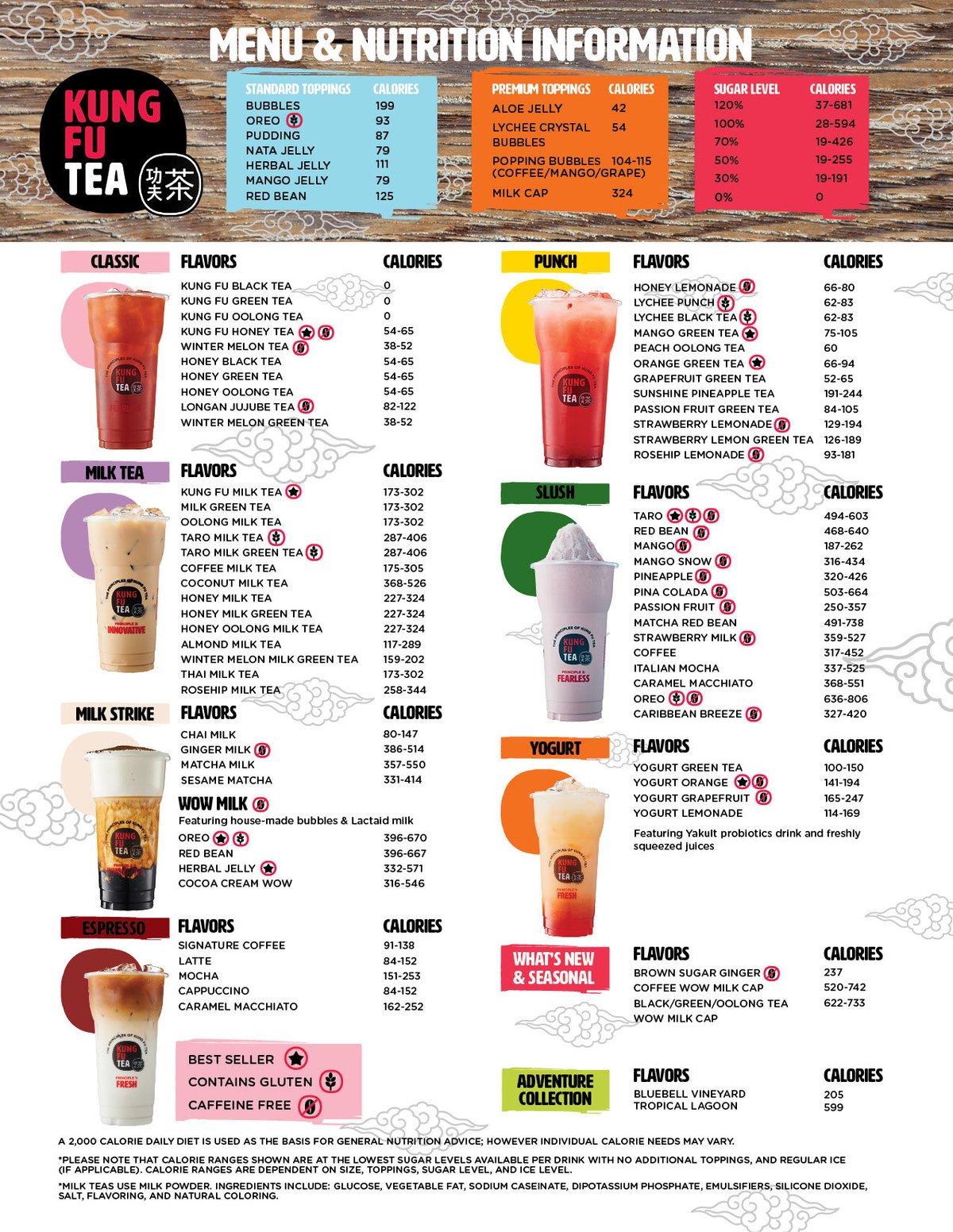
Let's be honest, there's something undeniably alluring about boba. Those chewy tapioca pearls, that creamy, sweetened tea, the endless flavor combinations – it’s a delightful experience. But if you've ever found yourself wondering about the actual health & nutritional aspects of boba beyond its deliciousness, you're not alone. As a seasoned journalist who's poked into more than a few food trends, I've seen firsthand how easy it is to overlook the specifics of what we're consuming in the pursuit of pleasure.
Boba tea, also known as bubble tea, pearl milk tea, or just a pearl shake, originated in Taiwan and has taken the world by storm. It's a concoction typically blending sweetened tea (black, green, or white), milk or a non-dairy alternative, various flavorings (syrups, fruit purees), and, of course, those signature chewy tapioca pearls made from cassava starch. Served cold with a wide straw, it's often enhanced with additional toppings like fruit jellies, pudding, or fresh fruit chunks. It's a full-sensory experience, but how does it stack up nutritionally? Let's dive in.
At a Glance: Boba's Nutritional Snapshot
- Primarily a Sugar Bomb: The biggest takeaway is the high sugar content, contributing significantly to calories and carbohydrates.
- Varies Wildly: Nutrition facts are highly customizable; your choices directly impact the final nutritional profile.
- Limited Vitamins & Minerals: Despite its popularity, boba tea offers minimal essential nutrients.
- Potential Health Risks: High sugar intake is linked to obesity, heart disease, and other chronic conditions.
- Enjoy in Moderation: Best considered an occasional sweet treat rather than a regular beverage.
- Healthier Options Exist: You can significantly reduce the sugar and calorie load with smart choices.
Peeling Back the Layers: What's Actually In Your Boba?
To understand the health and nutritional aspects of boba, we first need to break down its components. Each ingredient plays a role in shaping the final calorie, sugar, and fat count.
The Foundation: Tea Base
At its heart, boba starts with tea – typically black, green, or oolong. Plain tea bases are generally a good thing. They are rich in beneficial compounds called polyphenols, powerful antioxidants that have been studied for their potential to protect against various chronic diseases. These include heart disease, certain cancers, and even diabetes, largely by helping to lower blood pressure and cholesterol levels.
However, once you start adding other ingredients, the health benefits of the plain tea can quickly get overshadowed. The purity of the tea itself, while a good starting point, is often lost in the mix.
The Creaminess: Milk, Creamers, and Non-Dairy Options
Traditionally, boba uses milk or milk powder for that creamy texture. Many shops also offer non-dairy creamers, which often contain hydrogenated oils and a significant amount of sugar.
- Milk/Milk Powder: Contributes to the protein, fat, and carbohydrate content. It can also add a small amount of calcium.
- Non-Dairy Creamers: These are often a blend of water, sugar, and various oils, designed to mimic the creaminess of milk without the dairy. They can significantly boost calorie and fat content without offering much nutritional value.
- Non-Dairy Milks (Soy, Almond, Oat): These alternatives can be a healthier choice, depending on whether they are sweetened or unsweetened. We'll explore the best non-dairy milk alternatives for your drinks later.
The Sweetness: Syrups and Added Sugar
This is where the nutritional profile of boba really takes a turn. Sweetened syrups and additional sugar are cornerstones of boba tea, giving it that characteristic indulgent taste. Fruit-flavored boba often uses highly sweetened fruit purees or artificial fruit syrups.
- High Fructose Corn Syrup, Sucrose, Glucose: These are common sweeteners that contribute directly to the high sugar content.
- Impact: This added sugar, as we’ll discuss, is the primary nutritional concern with boba.
The Chewiness: Tapioca Pearls and Other Toppings
The iconic chewy pearls are made from cassava starch, which is almost pure carbohydrate. While delicious, they add a substantial amount of calories and carbohydrates to your drink.
- Tapioca Pearls: These are usually boiled in a sugary syrup, further increasing their sugar content. They provide an energy boost but are largely devoid of fiber, protein, or micronutrients. If you're curious about understanding different types of tapioca pearls, it's worth noting their nutritional similarity despite variations in size or color.
- Other Toppings: Jellies (fruit, grass, aloe), puddings, and flavored popping boba are also packed with sugar and artificial ingredients, adding more calories and very little in terms of nutritional benefit.
The Nutritional Reality: Breaking Down the Numbers
The truth is, a boba tea's nutritional value can swing wildly. It’s not like a standard can of soda with a fixed label; every order is a custom creation. However, we can look at some averages to get a clearer picture.
Average Nutritional Content
Let's consider an average 8-ounce serving, which is on the smaller side for boba:
- Calories: 120
- Protein: 0 grams
- Fat: 1.5 grams
- Carbohydrates: 28 grams
- Fiber: 0 grams
- Sugar: 28 grams
Now, most boba drinks are larger than 8 ounces. A more common size, like a 490mL (16.5 ounce) serving, paints a different picture: - Calories: 270
- Carbohydrates: 45 grams
- Protein: 6 grams
- Fiber: 0 grams
- Fat: 7 grams
Some micronutrients may be present, albeit in small amounts: - Calcium: Around 15% of the Daily Value (DV) – primarily from milk.
- Potassium: Around 7% DV.
- Sodium: Approximately 9% DV (around 211 mg).
- Trace elements: Small amounts of Folate, Iron, and Selenium might appear.
The Takeaway from the Numbers
What these numbers clearly show is that boba tea is primarily a source of carbohydrates and calories, largely driven by sugar. The protein and fat content can vary, depending on the type of milk or creamer used. However, it provides very little in the way of fiber, essential vitamins, or minerals that contribute meaningfully to your daily nutritional needs. It's essentially an energy boost, but one that comes with a significant sugar load.
The Elephant in the Room: High Sugar Content
This is the most critical nutritional aspect of boba tea. The high sugar content is the primary health concern and the reason why boba is best classified as a sweet treat rather than a healthful beverage. A typical boba drink can easily exceed the daily recommended sugar intake for adults, which the American Heart Association suggests should be no more than 36 grams (9 teaspoons) for men and 25 grams (6 teaspoons) for women. With 28-45 grams of sugar in one drink, you're either right at the limit or well over it. Understanding the impact of added sugars on your diet is crucial for long-term health.
Health Risks Associated with High Sugar Intake
Excessive sugar consumption is strongly linked to a range of serious health problems:
- Obesity: Sugary drinks are a major contributor to weight gain. They provide "empty calories" that don't satisfy hunger, leading people to consume more total calories. These excess calories are then stored as fat.
- Cardiovascular Disease (CVD): High sugar intake can increase triglyceride levels, contribute to inflammation, and raise blood pressure, all factors that heighten the risk of heart disease and stroke.
- Non-Alcoholic Fatty Liver Disease (NAFLD): The liver processes fructose, a component of many sugars. Consuming too much sugar can overload the liver, leading to fat accumulation and potentially serious liver damage over time, even in individuals who don't consume alcohol.
- Cognitive Decline: Emerging research suggests a link between high sugar consumption and an increased risk of cognitive decline, including memory problems and an elevated risk of Alzheimer's disease.
- Certain Forms of Cancer: While research is ongoing, some studies indicate a correlation between high sugar intake and an increased risk of certain cancers, likely due to sugar's role in inflammation and weight gain.
- Higher Body Fat in Young Children: For children, who are increasingly consuming boba tea, high sugar content poses an even greater risk. It contributes to childhood obesity, setting them up for a lifetime of potential health issues.
The Energy Boost: A Double-Edged Sword
Yes, boba tea provides an energy boost. With its high carbohydrate content, particularly from sugars, it rapidly elevates blood glucose levels. This can give you a quick surge of energy. However, this often leads to a subsequent "sugar crash" as insulin levels rise to manage the sugar, leaving you feeling more tired than before. It's a temporary pick-me-up, not sustained energy.
Health Benefits? Separating Fact from Fiction
While the tea base itself contains beneficial polyphenols, the reality is that once milk, sugar, and various toppings are added, boba tea offers few health benefits beyond that transient energy boost. The sheer volume of added sugars and calories largely negates any potential antioxidant benefits from the tea.
Think of it this way: a plain green tea is a health elixir. A green tea boba with full sugar, milk, and pearls is more akin to a dessert. The context fundamentally changes the nutritional outcome.
Customization: The Power is in Your Hands
One of boba's greatest appeals is its customizability, and this is also your greatest tool for managing its health and nutritional aspects. Every choice you make impacts the final product.
Making Healthier Boba Choices
If you love boba but want to reduce its impact on your diet, here are practical strategies:
- Sugar Level: This is your most impactful choice. Always ask for lower sugar (e.g., 30% or 50% sugar) or even no sugar added. Many shops offer stevia or yacon syrup as alternative sweeteners, which can significantly cut down on calories and carbohydrates without sacrificing sweetness entirely.
- Tea Base: Stick to plain green, black, or oolong tea bases. Avoid fruit-flavored teas or sweetened concentrates, as these often come with pre-added sugars.
- Milk Choice:
- Opt for unsweetened non-dairy milks like almond, soy, or oat milk instead of whole milk or, more importantly, non-dairy creamers.
- If you prefer dairy, choose skim or low-fat milk.
- Completely avoid non-dairy creamers, which are typically high in fat, sugar, and processed ingredients.
- Tapioca Pearls (Boba): These are calorie and carb dense.
- Reduce the quantity: Ask for half a scoop or a quarter scoop of pearls.
- Skip them entirely: While it might feel like "not boba," skipping pearls is one of the quickest ways to cut sugar and carbs.
- Consider alternative add-ins that are less sugar-heavy, though options might be limited.
- Toppings: Fewer or no additional toppings is the golden rule here. Jellies, puddings, and flavored popping boba are essentially more sugar and artificial flavors.
- If available, a small amount of fresh fruit (if truly fresh, not syrup-laden) can be a better choice.
- Size Matters: Choose the smallest size available. A larger drink means more of everything – more sugar, more calories, more fat.
By making just a few of these changes, you can transform a 490mL, 270-calorie, 45-gram sugar bomb into a much lighter, more moderate treat. For instance, a green tea with 30% sugar and almond milk, minus the pearls and extra toppings, will have a vastly different nutritional profile.
Allergies and Intolerances: Know Your Ingredients
It's also important to be aware of potential allergens or intolerances when enjoying boba tea.
- Dairy: Many boba teas contain milk or milk powder. For those with lactose intolerance or dairy allergies, opting for unsweetened non-dairy alternatives like almond, soy, or oat milk is crucial.
- Tapioca (Cassava): The pearls are made from cassava starch. While cassava allergy is less common than other food allergies, individuals with a known sensitivity to cassava or other starches should exercise caution.
- Other Ingredients: Watch out for specific fruit flavors, nuts (if used in flavorings), or artificial colorings that might trigger reactions. Always ask about ingredients if you have severe allergies.
Boba as a Treat: A Healthy Approach
Given the nutritional profile, boba tea is best enjoyed as an occasional sweet treat, much like a slice of cake or a scoop of ice cream. It's not a daily beverage choice if you're mindful of your health and dietary goals.
- Moderation is Key: Save boba for special occasions or as a once-in-a-while indulgence.
- Balance: If you're having a boba tea, consider it as part of your dessert or treat allowance for the day, and adjust other meals to compensate for its sugar and calorie content.
Healthier Alternatives to Satisfy Your Cravings
If you're looking for genuinely healthy beverages that still offer flavor and refreshment, consider these alternatives:
- Plain Green or Black Tea: Brewed hot or iced, without added sugar or milk. You get all the polyphenol benefits without the downsides.
- Herbal Teas: Caffeine-free and available in a vast array of flavors, great for hydration and often packed with their own unique plant compounds.
- Infused Water: Add slices of lemon, lime, cucumber, mint, or berries to plain water for a refreshing and zero-calorie drink.
- Sparkling Water with a Splash of Fruit Juice: A fizzy treat with far less sugar than soda or typical boba.
- Smoothies with Whole Fruits and Vegetables: When made at home, you control the ingredients, ensuring they are packed with fiber, vitamins, and minerals.
When we consider Explore the world of bobas, it's clear there's a huge variety, and understanding what goes into each one empowers you to make smarter choices.
Common Questions and Misconceptions About Boba's Health
Let's address some frequently asked questions about the health aspects of boba tea.
"Is boba tea good for hydration?"
While boba tea contains water, the high sugar content can actually work against optimal hydration by promoting fluid loss through increased urination. For true hydration, plain water is always best.
"Does boba tea have caffeine?"
Yes, if it's made with black, green, or oolong tea. The caffeine content will vary depending on the tea base and brewing strength, but it will provide a stimulant effect. If you're sensitive to caffeine, ask for caffeine-free herbal tea bases if available.
"Are the tapioca pearls nutritious?"
Tapioca pearls are primarily carbohydrates (starch) and provide an energy boost. However, they offer virtually no fiber, protein, vitamins, or minerals. They are essentially empty calories, especially after being sweetened. They are not a significant source of nutrition.
"Can I drink boba tea if I'm trying to lose weight?"
Regular consumption of traditional boba tea, with its high calorie and sugar content, is not conducive to weight loss. If you choose to indulge, opt for the smallest size, zero sugar, non-dairy milk, and minimal or no pearls/toppings to minimize the calorie impact. Treat it as an occasional indulgence.
"Are fruit-flavored boba teas healthier than milk teas?"
Not necessarily. Many fruit-flavored boba teas rely on highly sweetened fruit syrups or powders, which can be just as high, if not higher, in sugar than milk teas. Always ask about the sugar content and ingredients. Fresh fruit boba (made with actual fruit blended in, and unsweetened) would be a different story, but these are less common in standard boba shops.
"Is boba tea gluten-free?"
Tapioca pearls are naturally gluten-free as they are made from cassava starch. However, cross-contamination can occur in shops, and some toppings or flavorings might contain gluten. If you have a severe gluten allergy, it's best to confirm with the specific establishment.
Bringing it All Together: Enjoying Boba Responsibly
Boba tea is a beloved beverage for its unique taste and texture, and there's absolutely a place for it in a balanced diet. The key, as with most sweet treats, lies in understanding its nutritional profile and making informed choices. While the fascinating origin story of boba tea might make it seem like a harmless cultural phenomenon, its modern iteration often comes with significant sugar and calorie loads.
By being mindful of your sugar intake, opting for lower-sugar versions, choosing healthier milk alternatives, and limiting toppings, you can still enjoy your boba without derailing your health goals. Consider it an occasional, delightful indulgence, rather than a staple beverage. Your body will thank you for the balance. And if you're feeling adventurous and want total control over ingredients, you could even learn how to make your own healthier boba at home!