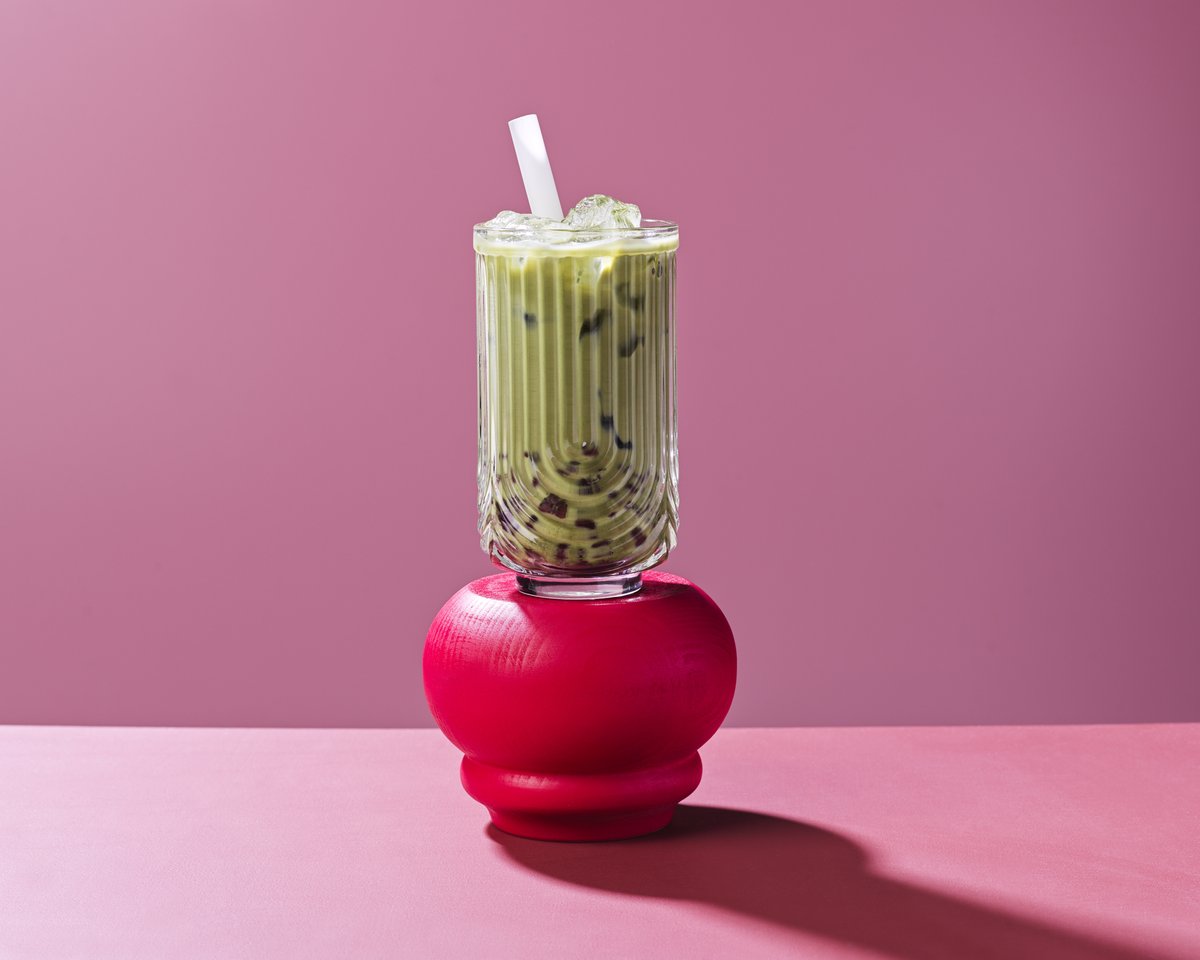
Few beverages have captured the world's imagination quite like bubble tea. This iconic drink, a delightful blend of tea, milk, and chewy tapioca pearls, isn't just a trend; its rich History & Culture of Bubble Tea tells a tale of culinary innovation, global adaptation, and sheer deliciousness. From its humble beginnings in Taiwanese tea houses to its current status as a worldwide sensation, bubble tea has redefined what a beverage can be.
If you've ever found yourself pondering the origins of those irresistible chewy pearls or wondered how this unique concoction conquered continents, you're in the right place. We're about to embark on a journey through the fascinating story of bubble tea, uncovering its roots, its rise, and the vibrant cultural tapestry it has woven across the globe.
At a Glance: What You'll Discover About Bubble Tea
- Taiwanese Innovation: The birthplace of bubble tea in the 1980s, sparked by two competing tea houses.
- The Magic of Boba: How tapioca pearls, originally from Southeast Asia, became the drink's signature chewy texture.
- Global Phenomenon: Its rapid ascent in the 1990s and 2000s, fueled by youth culture, social media, and pop culture.
- Endless Customization: The vast array of flavors, sweetness levels, and toppings that make every cup unique.
- Cultural Adaptations: How bubble tea has evolved to fit local tastes from Hong Kong to the United States.
- Health & Safety: Important considerations regarding sugar content and choking hazards.
- Lasting Legacy: Its enduring impact as a symbol of culinary creativity and global connectivity.
The Birth of a Beverage Icon: A Tale of Two Tea Houses
Every great invention often has a contested origin story, and bubble tea is no exception. While its exact birth year is widely agreed upon as 1986, the title of "inventor" remains a friendly rivalry between two pioneering Taiwanese establishments. Both emerged from the innovative spirit of Taiwan in the 1980s, a decade that saw a burgeoning appetite for new culinary experiences.
The Claimants: Chun Shui Tang vs. Hanlin Tea Room
In Taichung, Chun Shui Tang founder Liu Han-Chieh is credited with the revolutionary idea of serving Chinese tea cold in the early 1980s. Legend has it that in 1986, his product development manager, Lin Hsiu-hui, playfully dropped tapioca pearls into her iced assam milk tea during a staff meeting. The result was an instant hit among employees, leading to its addition to the menu. This simple act of combining existing elements – cold tea, milk, and chewy tapioca – created something entirely novel.
Meanwhile, in Tainan, Hanlin Tea Room owner Tu Tsong-he tells a slightly different tale. He claims that also in 1986, inspired by the white tapioca balls he saw at a local market, he experimented with adding them to traditional tea. These clear pearls, reminiscent of sago, were later swapped for the more familiar black tapioca pearls we know today, derived from brown sugar caramelization.
A decade-long lawsuit ensued, yet neither claim was definitively proven. Ultimately, the debate fueled both their popularity, pushing bubble tea into the Taiwanese mainstream and setting the stage for its global takeover. What matters more than who was first is the indelible mark both left on the beverage world.
The Magic Ingredients: How Tapioca Pearls and Milk Tea Took Center Stage
Bubble tea's distinct appeal lies in its unique combination of textures and flavors. While tea and milk have long been companions, it was the introduction of the chewy tapioca pearls and the innovation of cold milk tea that truly set bubble tea apart.
The Humble Tapioca Pearl: From Root to "Boba"
The star of the show, the tapioca pearl, has a history far predating bubble tea. These chewy spheres originated in Southeast Asian cuisine, serving as a cost-effective starch alternative to sago. They were traditionally made from palm hearts or glutinous rice, but the arrival of the cassava root from South America revolutionized their production.
Creating tapioca pearls is a meticulous process. It involves:
- Extracting Starch: Grinding cassava root to extract its starchy pulp.
- Gelatinization: Cooking the starch with water to create a gel-like substance.
- Shaping: Forming the gel into tiny spheres, often using specialized equipment like rotating pans or manual techniques like a "gangsor."
- Drying: Removing moisture to create shelf-stable, dry pearls. Some methods also incorporate freezing.
When cooked, these dry pearls transform into the soft, translucent, and delightfully chewy "boba" that we all love. For a brief, unexpected moment in 2012, even McDonald's in Germany and Austria featured these pearls on their menus, a testament to their growing allure. If you're curious to Explore our bobas guide, you'll find even more about the different types of these versatile spheres.
The Rise of Taiwanese Milk Tea
While tapioca pearls provide the texture, the milk tea provides the soul. The 1980s were a period of significant experimentation in Taiwan's beverage scene. Chun Shui Tang and Hanlin Tea Room weren't just adding pearls; they were perfecting the art of milk tea itself. By blending traditional teas with milk, and then experimenting with the addition of ice and various toppings, they transformed a customary drink into an exciting, multi-sensory experience. This foundation of rich, creamy milk tea, combined with the playful chew of boba, laid the essential groundwork for bubble tea's immense global appeal.
From Local Fad to Global Phenomenon: The Bubble Tea Takeover
The momentum for bubble tea began to build in Taiwan, but its true cultural footprint exploded in the 1990s and 2000s. It wasn't just a drink; it became a lifestyle.
Youth Appeal and the Rise of "Hangout Spots"
Initially, bubble tea shops provided vibrant, affordable gathering places for young people. They offered a novel alternative to coffee shops or traditional eateries, providing a colorful backdrop for socializing, studying, and dating. The drink itself, with its fun textures and customizable flavors, perfectly resonated with a demographic eager for new and exciting experiences.
The Social Media Catalyst
The advent of social media platforms like Instagram and Facebook further propelled bubble tea into a global spotlight. Its vibrant colors, unique layered appearance, and the distinctive wide straw made it inherently photogenic. Sharing a picture of your latest bubble tea creation became a badge of honor, turning every cup into a mini marketing campaign. This visual appeal, combined with enthusiastic word-of-mouth, helped it spread virally across continents.
Pop Culture Embraces Boba
Beyond social media, bubble tea began to seep into mainstream pop culture. Mentions in TV shows, movies, and music videos normalized and celebrated the drink, cementing its status as a cool, contemporary beverage. It transitioned from an exotic novelty to a beloved culinary export, establishing a vibrant presence everywhere from bustling Berlin streets to the vibrant markets of Brasilia. The wide straw, once just a necessity, became an iconic symbol of the bubble tea experience, essential for enjoying those chewy pearls with every sip.
The Art of the Sip: Customization and Varieties
One of bubble tea's most endearing qualities is its boundless versatility. What started as a simple milk tea with pearls has blossomed into an extensive menu of possibilities, allowing for personalized concoctions that cater to every palate.
Beyond the Classic: A Spectrum of Flavors
While the classic milk tea with black tapioca pearls remains a timeless favorite, the modern bubble tea landscape is far more diverse. You can find:
- Fruity Refreshers: From tangy passion fruit and sweet lychee to tropical mango and vibrant strawberry.
- Earthy Delights: Taro, a slightly sweet, purple root vegetable, and earthy matcha green tea are incredibly popular.
- Unique Brews: Flavors like winter melon tea, oolong tea, and even floral rose or lavender infusions.
Your Drink, Your Way: The Power of Customization
The true magic happens when you customize your drink. Most bubble tea shops empower you to be the alchemist of your own beverage, offering choices for:
- Base Type: Opt for traditional black or green tea, creamy milk tea, or a refreshing iced tea.
- Sweetness Levels: Adjust from 0% (no sugar) to 100% (full sugar), with common increments like 25%, 50%, and 75%.
- Ice Levels: Choose from no ice, less ice, or standard ice, perfect for enjoying it hot or cold.
- Toppings Galore: This is where the fun truly begins. Beyond traditional tapioca pearls (boba), you can add:
- Popping Boba: Fruit juice-filled spheres that burst in your mouth.
- Jellies: Lychee jelly, grass jelly, coffee jelly, and aiyu jelly offer different textures.
- Pudding: Egg pudding or custard pudding adds a silky smoothness.
- Cheese Foam: A savory-sweet creamy topping that adds a rich, foamy layer.
- Non-Dairy Creamers: For those avoiding dairy.
- Ice Cream: For an indulgent, dessert-like experience.
This vast array of options ensures that with every visit, you can discover a new favorite or perfectly tailor a drink to your mood and craving.
Bubble Tea Across Borders: A Global Tapestry of Taste
Bubble tea's global success isn't just about its deliciousness; it's also about its incredible adaptability. As it spread from Taiwan, local cultures and preferences embraced and reshaped the drink, creating a fascinating tapestry of regional variations.
Taiwan: The Birthplace of "QQ"
In its homeland, bubble tea remains a culinary cornerstone. Taiwanese culture emphasizes customization, with precise adjustments for sugar, ice, and an endless array of toppings like taro, rainbow pearls, and decadent cheese foam. The term "QQ" (pronounced "chew-chew") is ubiquitous, describing the ideal bouncy, chewy texture of tapioca pearls and other delightful add-ins.
Popular Taiwanese Flavors:
- Classic Brown Sugar Boba Milk Tea
- Taro Milk Tea
- Winter Melon Tea
Hong Kong: A Refined Tea Craft
Hong Kong, with its rich tea-drinking heritage, refined bubble tea into a precise craft. Here, you'll find the iconic "Silk Stocking" milk tea – a strong, smooth blend of black teas filtered through a cloth "stocking" for extra smoothness, served with evaporated milk and sugar. It's a ritualistic part of the "Cha Chaan Tengs" (tea restaurants), reflecting Hong Kong's unique fusion of East and West.
Popular Hong Kong Flavors:
- Silk Stocking Milk Tea
- Yuenyeung (a harmonious blend of coffee and tea)
- Red Bean Ice Milk Tea
Mainland China: Tech, Wellness, and Innovation
Mainland China has embraced bubble tea with an innovative spirit, integrating technology and a focus on wellness. Brands like HeyTea and Naixue’s Tea lead the charge, offering digital ordering, loyalty apps, and even robotic preparation. Health-conscious youth drive demand for lower-calorie, zero-sugar options, low-fat cheese foam, and even collagen-boosting ingredients, blending indulgence with modern health trends.
Popular Mainland China Flavors:
- Cheese Foam Green Tea
- Fresh Fruit Tea with Aiyu Jelly
- Dirty Boba (a rich brown sugar and milk blend)
United States: Versatility and Fusion
The United States has adopted bubble tea with characteristic versatility, often infusing it with local flavors and fusion twists. You'll find unexpected but delicious combinations like Thai tea with boba or horchata boba, reflecting the country's diverse culinary landscape. There's a growing demand for vegan options and highly customizable flavors to cater to varied dietary needs and adventurous tastes.
Popular U.S. Flavors:
- Thai Tea with Boba
- Matcha Latte with Red Bean
- Horchata Boba
Southeast Asia: A Street Food Staple
Across Southeast Asia, bubble tea has seamlessly integrated into the vibrant street food scene. Local adaptations are common, with unique regional flavors like pandan-flavored boba in Malaysia or the ubiquitous spiced Thai tea in Thailand. Its refreshing nature makes it a perfect complement to the warm climate.
Popular Southeast Asian Flavors:
- Thai Tea Boba
- Coconut Milk Boba
- Pandan-flavored Bubble Tea
Other Global Hotspots: A Taste of Local Flair
- United Kingdom: Flourished, particularly in London, offering both traditional and sophisticated fusion flavors like Earl Grey lavender milk tea.
- Australia: With its multicultural population and warm climate, refreshing iced and fruit-infused options are highly preferred.
- Japan: Known for its delicate and beautifully presented drinks, popular flavors include Sakura Milk Tea, Hojicha Roasted Tea Latte, and Pudding Milk Tea.
The widespread success of bubble tea hinges on its remarkable ability to adapt to local preferences while retaining its core elements – the chewy pearls and the delightful tea base. For brands looking to expand internationally, cultural sensitivity and a keen understanding of local tastes are paramount, ensuring the drink stays true to its roots while embracing new trends.
Navigating the Sweetness: Health and Safety Considerations
While undeniably delicious, it's important to enjoy bubble tea mindfully, keeping health and safety in perspective.
The Sugar Factor
Traditional bubble tea, particularly classic milk teas, can be surprisingly high in sugar. Some standard servings can exceed 400 calories, primarily from the added sweeteners and sometimes the pearls themselves. High sugar intake can contribute to various health concerns.
Smart Sips for Health:
- Adjust Sweetness: Most shops offer customizable sweetness levels (e.g., 25%, 50%, 75% sugar). Opt for lower sugar percentages.
- Choose Wisely: Fruit teas often have natural sugars from the fruit, but still check for added syrups.
- Moderation is Key: Treat bubble tea as an occasional treat rather than an everyday beverage.
- Opt for Alternatives: Many shops now offer sugar-free syrups, natural sweeteners, or unsweetened tea bases.
Choking Hazard Alert
The chewy tapioca pearls, while a signature component, can pose a choking hazard, especially for young children. Their size and texture can make them difficult to swallow if not chewed thoroughly.
Safety First:
- Chew Thoroughly: Always chew tapioca pearls completely before swallowing.
- Supervise Children: Exercise caution when serving bubble tea with pearls to young children and ensure they are supervised.
- Consider Alternatives: If worried, opt for bubble tea without pearls or choose smaller toppings like jellies or popping boba.
Many modern bubble tea establishments are aware of these concerns and offer healthier or dairy-free alternatives, making it easier for consumers to enjoy their favorite drink responsibly.
Beyond the Cup: Bubble Tea's Enduring Legacy
Bubble tea is more than just a passing food trend; it's a testament to Taiwan's vibrant culinary innovation and its remarkable ability to export its unique culture globally. From its accidental inception in a small tea house, it has evolved into a versatile and beloved experience, cherished by millions.
Its journey from "pearl milk tea" to a diverse menu featuring classic milk teas, refreshing fruit teas, and specialty lattes showcases its incredible adaptability. This ability to integrate seamlessly into diverse food cultures, taking on local flavors and embodying local trends, is what makes it a standout in global food culture.
The bubble tea phenomenon represents cultural exchange in its most delicious form. It connects people through a shared love for a unique beverage, sparking joy, encouraging customization, and offering a delightful escape in every sip. It continues to inspire new creations and variations, ensuring its place as a dynamic and influential force in the beverage world for years to come.
Your Next Sip: Exploring the World of Boba
Whether you're a seasoned bubble tea aficionado or curious to try your first cup, the world of bubble tea offers an endless array of delightful discoveries. From the comforting familiarity of classic milk tea to adventurous fruit blends and innovative toppings, there's always something new to explore.
Don't be afraid to experiment with different sweetness levels, ice amounts, and toppings. Ask your local barista for recommendations or try a seasonal special. Each bubble tea shop often has its own unique spin, its own perfected recipes, and its own atmosphere. So, go forth, explore, and find your perfect sip!