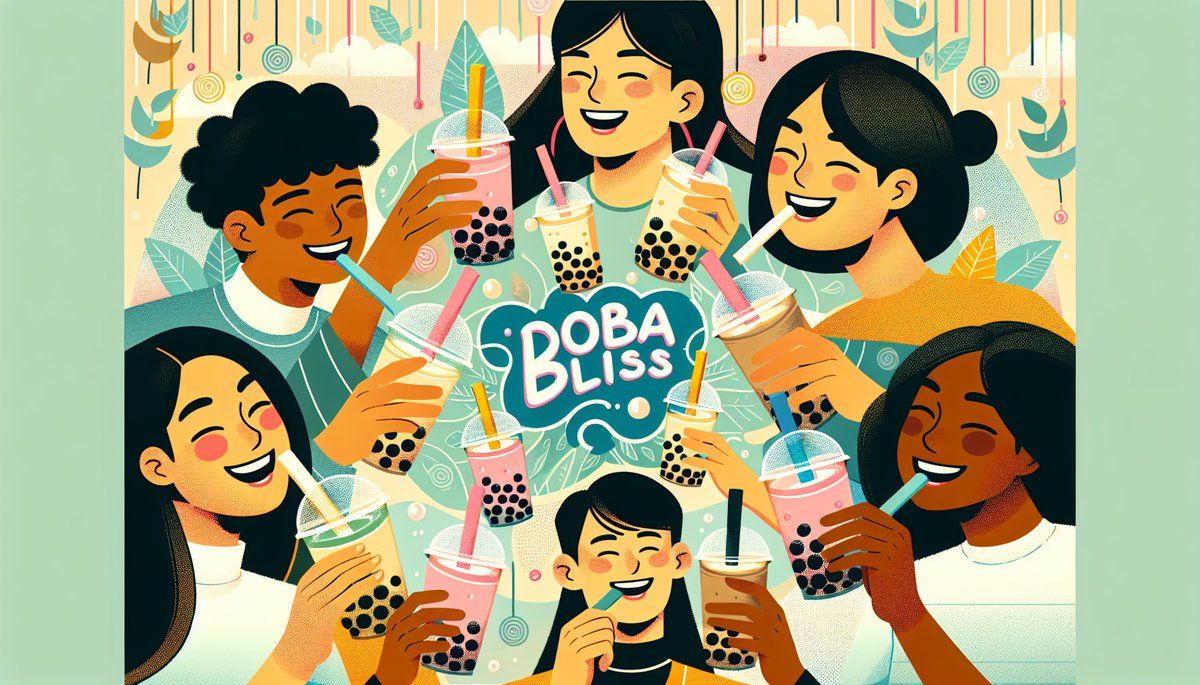
That satisfying first sip: the sweet tea, the creamy milk, and then the delightful chew of those perfectly prepared tapioca pearls. What started as a humble Taiwanese treat has rapidly evolved into a global sensation, transforming from a simple beverage into a vibrant cultural icon and a multi-billion-dollar enterprise. The Boba Industry & Business isn't just about selling drinks; it's a dynamic ecosystem of innovation, cultural exchange, and entrepreneurial spirit, currently experiencing explosive growth across continents.
At a Glance: Boba's Global Rise
- Market Value: Projected to nearly double from USD 2.83 billion in 2025 to USD 5.62 billion by 2034, demonstrating a robust Compound Annual Growth Rate (CAGR) of 8.03% from 2026-2034.
- Geographic Powerhouse: Asia Pacific remains the dominant market, holding a substantial 44.06% share in 2025, with North America and Europe showing significant, dynamic growth.
- What It Is: A sweetened tea, typically with high-quality milk or creamer, sweetener, and chewy liquid tapioca pearls, often enhanced with fruit powders or infusions. It's unequivocally a cultural icon for Taiwan.
- Key Growth Drivers: Consumer demand for unique, customizable experiences, the rise of gastronomic tourism, an increasing focus on healthier options, and immense social media influence, especially among Gen Z.
- Path to Success: Strategic location, premium ingredients, diverse customizable menus, effective social media marketing, competitive pricing, and strong brand identity are paramount.
- Future Focus: Expect more healthier variants, expanded online ordering, eco-friendly practices, continuous flavor innovation, and strategic global expansion.
The Sweet Evolution: From Taiwanese Staple to Global Phenomenon
Boba, also known as bubble tea, pearl milk tea, or just "pearl tea," began its journey in Taiwan in the 1980s. Its origins are often attributed to tea shops experimenting with adding tapioca pearls—already a popular dessert ingredient—to cold milk tea. This seemingly simple concoction struck a chord, quickly becoming a local favorite before embarking on its impressive global trek.
What makes boba so distinctive? It’s a carefully crafted blend, typically featuring sweetened tea (black, green, or oolong), high-quality milk or a non-dairy creamer, a chosen sweetener, and, of course, the signature chewy tapioca pearls. These "bubbles" (boba) are traditionally made from cassava starch, yielding a delightful chewiness often referred to as "QQ" in Taiwanese culture – a term encompassing textures like springy, soft, and bouncy. Beyond this classic combination, the world of boba has expanded exponentially to include fruit-infused teas, smoothies, and a dazzling array of toppings. If you're keen to dive deeper into the core components and varieties of this beloved drink, you can explore All about bobas.
Initially a novelty, boba quickly gained traction among Asian diasporas in North America and Europe, serving as a nostalgic taste of home and a vibrant cultural touchstone. Its appeal, however, soon transcended these communities. Today, it’s a mainstream beverage, a trendy treat, and a social staple for millions worldwide, fueling a market expansion that is nothing short of remarkable.
Why Boba Bubbles Up: Key Drivers Fueling Market Expansion
The rapid growth of the boba industry isn't accidental; it's propelled by several powerful consumer and market forces. Understanding these drivers is crucial for anyone looking to enter or thrive within this competitive landscape.
1. The Quest for Unique & Customizable Beverages
In an era of personalized experiences, boba stands out. Consumers, particularly younger generations, are no longer content with off-the-shelf options. They crave the ability to tailor their drinks to their exact preferences. Boba tea shops excel here, offering:
- Sweetness Levels: From 0% to 100%, allowing for dietary control or simply personal taste.
- Dairy Alternatives: Soy, almond, oat, and coconut milk cater to dietary restrictions and preferences.
- Topping Galore: Beyond tapioca pearls, there are popping boba, grass jelly, pudding, red beans, fruit jellies, and even cheese foam, providing endless textural and flavor combinations.
- Fruit Infusions: A vast spectrum of fruit purees and syrups allows for vibrant, fresh flavor profiles.
This high degree of customization transforms each order into a personal creation, fostering a sense of engagement and ownership that keeps customers coming back.
2. Gastronomic Tourism & Cultural Exploration
Boba’s journey from Taiwan to the world stage is a prime example of successful gastronomic tourism. As global travel and cultural curiosity expand, so does the desire to experience authentic and trending international foods and beverages. Boba offers a taste of Taiwanese culture, presented in an accessible, enjoyable format. For many, sipping boba is an act of cultural exploration, a small adventure in a cup that connects them to global culinary trends.
3. The Health-Conscious Shift (Yes, Even in Boba!)
While traditionally seen as an indulgent treat, the boba industry is smartly adapting to the growing number of health-conscious consumers. This isn't about ditching boba, but evolving it:
- Low-Sugar Options: As mentioned, customizable sweetness levels are key.
- Natural Ingredients: Shops are increasingly focusing on fresh fruit, real tea leaves, and natural sweeteners.
- Whole Milk Alternatives: The rise of plant-based milks makes boba accessible to those avoiding dairy or seeking lower-fat options.
- Health Benefit Promotion: Ingredients like black tea (known for antioxidants) are highlighted. While fruit flavors were leading preferences in 2024, the black tea segment is projected to dominate due to its perceived health benefits.
This shift ensures boba remains relevant and appealing to a broader demographic, moving beyond just a sugary treat.
4. The Unstoppable Influence of Social Media (Especially Gen Z)
If a food or drink isn't "Instagrammable," does it even exist? For Gen Z, social media is a primary driver of discovery and trend adoption. Boba, with its vibrant colors, layered textures, and unique presentation (often in aesthetically pleasing cups), is inherently photogenic.
- Visual Appeal: The colorful layers, the contrasting pearls, and the unique cup designs make for perfect social media content.
- Trend Propagation: Viral drinks, limited-time offers, and new flavor combinations spread like wildfire across platforms like TikTok and Instagram.
- Community Building: Boba shops often cultivate strong online communities, engaging with customers, running contests, and showcasing user-generated content.
This digital amplification turns every satisfied customer into a potential brand ambassador, creating organic, far-reaching marketing that money can't always buy.
Recipe for Success: What Makes a Boba Business Thrive?
Entering The Boba Industry & Business might seem straightforward, but sustained success requires strategic planning and meticulous execution. The most prosperous boba shops consistently nail a few core elements:
1. Strategic Location Selection
Location, location, location. This old adage remains profoundly true for boba shops. Ideal spots are characterized by high foot traffic and visibility:
- Busy Urban Areas: Downtown centers, bustling shopping districts, and entertainment hubs are prime.
- Proximity to Educational Institutions: Colleges, universities, and high schools are goldmines, given boba's popularity with students.
- Commercial Hubs: Areas with offices and businesses ensure a steady lunch and after-work crowd.
- Public Transit Access: Locations near subway stations or bus stops maximize convenience for commuters.
A well-chosen location acts as a constant billboard, attracting impulse buys and making it a convenient go-to spot for regulars.
2. Uncompromising Product Quality & Diversity
Mediocrity won't cut it. To stand out, a boba shop must commit to high product quality and a diverse, appealing menu:
- Premium Ingredients: Sourcing high-quality tea leaves, fresh milk, and consistently chewy tapioca pearls is non-negotiable. The quality of each component directly impacts the final taste experience.
- Diverse Flavors: Offer a wide range, from classic milk teas (black, green, oolong) to popular fruit teas (mango, passionfruit, strawberry) and innovative seasonal specials.
- Customizable Options: Reiterate the importance of offering choices for sweetness, ice levels, and a comprehensive selection of toppings. This caters to individual preferences and encourages experimentation.
- Consistent Preparation: Even the best ingredients can be ruined by inconsistent preparation. Staff training on precise recipes and techniques is vital.
3. Masterful Social Media Marketing
Given the Gen Z influence, a strong social media presence isn't just a bonus; it's a necessity.
- Visual Storytelling: Use high-quality photos and videos of your drinks, ingredients, and shop ambiance. Showcase the "making of" process.
- Engage Your Audience: Run polls, ask questions, encourage user-generated content, and respond to comments.
- Platform Diversity: Utilize Instagram for aesthetics, TikTok for short, trending videos, and Facebook for announcements and community engagement.
- Influencer Collaborations: Partner with local micro-influencers to reach new audiences authentically.
- Promote "Instagrammable" Drinks: Design drinks that are visually appealing and encourage customers to share.
4. Competitive Pricing Strategies
Finding the sweet spot between profitability and perceived value is key.
- Value Perception: Customers are willing to pay more for quality ingredients, unique flavors, and an exceptional experience.
- Tiered Pricing: Offer different sizes and options (e.g., premium toppings at an extra cost) to cater to various budgets.
- Loyalty Programs: Implement punch cards or digital loyalty apps to reward repeat customers, encouraging frequency.
- Bundles/Promotions: Occasional deals or combo offers can attract new customers and boost sales during slower periods.
5. Cultivating a Strong Brand Identity
In a crowded market, your brand is your differentiator.
- Unique Concept: Develop a distinct theme, aesthetic, or specialization. Is your shop minimalist and modern, or cozy and traditional? Do you focus on organic ingredients, or wildly innovative flavors?
- Exceptional Customer Service: Friendly, efficient, and knowledgeable staff create a welcoming atmosphere and leave a lasting positive impression.
- Consistent Messaging: Ensure your brand voice, visuals, and values are consistent across all touchpoints, from your menu to your social media.
- Community Involvement: Sponsoring local events or collaborating with other local businesses can build goodwill and broaden your reach.
The Shifting Sip: Understanding Modern Consumer Preferences
The boba landscape is constantly evolving, driven by discerning consumers who are increasingly vocal about what they want. Staying ahead means listening closely to these preferences.
Customizable Creations
This isn't just a driver of growth; it's an expectation. Consumers want agency over their drink. Beyond sweetness and dairy, this extends to:
- Ice Levels: "No ice" or "less ice" are common requests, especially in colder climates or for those who want more drink for their buck.
- Mixed Teas: Blending different tea bases (e.g., black and green) for unique profiles.
- Creative Topping Combinations: Encouraging customers to mix and match toppings, leading to a personalized sensory experience.
Healthier Horizons
The "health-conscious boba" trend is gaining serious momentum.
- Reduced Sugar Content: Offering alternatives like stevia or monk fruit, or simply guiding customers toward lower sugar options.
- Natural Ingredients Focus: Emphasizing fresh fruits, freshly brewed teas, and avoiding artificial flavors or colors.
- Nutritional Transparency: Providing information about calorie counts or ingredient sourcing helps health-aware consumers make informed choices. BUBLUV's introduction of keto-friendly and gluten-free boba alternatives in the U.S. in April 2022 is a prime example of this trend in action.
Visually Striking & "Instagrammable" Flavors
Presentation is paramount. Drinks that look good, get shared.
- Layered Drinks: Multi-colored drinks that slowly meld together when stirred are highly photogenic.
- Unique Garnishes: Fresh fruit slices, edible flowers, or distinctive cup designs elevate the visual appeal.
- Novel Color Combinations: Utilizing vibrant, natural colors from butterfly pea flower tea or various fruit purees.
- Seasonal Specials: Creating limited-time drinks tied to holidays or seasons (e.g., pumpkin spice boba) generates excitement and urgency. Barroco by Café De Bangkok, for instance, offered 21 boba tea flavors, including a Thai Bubble Tea with cream cheese, in May 2022, showcasing both flavor diversity and visual innovation.
Eco-Friendly Practices
Sustainability is no longer a niche concern; it's a core expectation for many consumers, particularly Gen Z.
- Sustainable Packaging: Offering reusable cups, biodegradable straws (bamboo, metal, pasta), and recyclable plastic cups.
- Responsible Sourcing: Highlighting ethically sourced tea leaves or locally produced ingredients (where possible) can resonate with environmentally conscious buyers.
- Waste Reduction: Implementing strategies to minimize food waste and energy consumption within the shop.
Giants of the Tapioca Tide: Leading Brands and Franchise Opportunities
The global boba market is characterized by a mix of independent, innovative shops and powerful international franchises. These leading companies are at the forefront of market expansion and set many of the industry trends.
Brands like Gong Cha (with over 1,500 stores worldwide), Kung Fu Tea (boasting 200+ U.S. locations), Chatime, HeyTea, Quickly, Xing Fu Tang, Happy Lemon, and K.O.I. The Co have established themselves as industry titans. They benefit from brand recognition, streamlined supply chains, and often, significant marketing budgets.
For aspiring entrepreneurs, partnering with an established boba brand through franchising presents a compelling entry strategy. Franchises offer:
- Proven Business Models: You're investing in a system that has already demonstrated success.
- Robust Support Systems: This typically includes comprehensive training, operational guidance, marketing assistance, and ongoing support from the franchisor.
- Brand Recognition: Instant credibility and customer trust, eliminating the need to build a brand from scratch.
- Strategic Advantage: Access to established supply chains and economies of scale for ingredients.
Leading franchisors such as Gong Cha, Kung Fu Tea, and Sharetea offer attractive opportunities that promise a high return on investment, particularly for those looking to tap into a rapidly expanding market with less initial risk than building an independent brand. Gong Cha's partnership to open 15 new stores in North Africa in February 2024 exemplifies the ongoing global expansion strategies of these major players.
Navigating the Currents: Challenges and Headwinds for Boba Businesses
While the boba industry is experiencing robust growth, it's not without its challenges. Entrepreneurs must be aware of potential headwinds to strategize effectively.
1. Fierce Competition from Alternative Beverages
Boba operates in a highly competitive beverage market. It constantly vies for consumer dollars against:
- Coffee: The dominant caffeinated beverage in many Western countries, with established consumption trends and a vast array of global and local coffee chains.
- Conventional Drinks: Soft drinks, juices, smoothies, and other pre-packaged beverages.
- Specialty Drinks: Craft sodas, artisan teas, and unique concoctions from cafes and bars.
The sheer variety of options means boba must continually innovate and differentiate itself to maintain its appeal.
2. Prevalent Coffee Consumption Trends in Western Countries
In regions like North America and Europe, coffee is deeply embedded in daily routines and social rituals. Overcoming this ingrained habit is a significant hurdle for boba. While boba is gaining popularity, it often occupies a different consumption occasion – more of a treat or social beverage than a daily essential for many. This requires strategic positioning and marketing to carve out its own distinct space.
3. Dependency on Asian Raw Material Sourcing
A core component of boba, the tapioca pearl, is predominantly sourced from Asian countries, particularly Taiwan. This dependency creates several vulnerabilities:
- Supply Chain Disruptions: Geopolitical events, natural disasters, or trade disputes can impact the availability and cost of these essential raw materials.
- Logistical Challenges: Importing ingredients across long distances adds to costs and lead times.
- Quality Control: Ensuring consistent quality from overseas suppliers requires rigorous vetting and management.
While some efforts are being made to diversify sourcing or even localize tapioca production, the industry largely remains reliant on its Asian roots for these key ingredients, which can impact production and operational stability.
Peering into the Pearl Ball: Future Trends and Innovations
The future of boba isn't just about more shops; it's about smarter, more diverse, and more sustainable practices. These trends offer both challenges and immense opportunities.
Embracing Healthier Variants as a Standard
The push for healthier options will intensify, moving from a niche offering to a standard expectation. This means:
- Advanced Sugar Reduction: Exploring natural sugar alternatives beyond common sweeteners, and potentially new fermentation techniques.
- Functional Ingredients: Incorporating ingredients with added health benefits, such as adaptogens, probiotics, or superfood powders.
- "Clean Label" Boba: Transparency around all ingredients, minimizing artificial additives, colors, and preservatives.
Expanding Online Ordering and Delivery Services
The convenience economy demands seamless digital integration.
- Robust App Integration: User-friendly mobile apps for ordering, loyalty programs, and personalized recommendations.
- Third-Party Delivery Partnerships: Leveraging services like Uber Eats, DoorDash, and Grubhub, but also exploring proprietary delivery systems for better control and profitability.
- Subscription Models: Offering recurring delivery services for loyal customers.
Adopting Eco-Friendly Packaging and Responsible Sourcing
Sustainability will shift from a differentiator to a basic requirement.
- Innovation in Biodegradable Materials: Research and adoption of truly compostable cups, lids, and straws.
- Circular Economy Models: Exploring cup return and reuse programs.
- Ethical Supply Chains: Deeper vetting of tea farms and tapioca pearl producers to ensure fair labor practices and environmental stewardship.
Continuous Innovation in Customizable Options and Inventive Flavors
The "wow factor" remains crucial.
- AI-Driven Customization: Using data to predict consumer preferences and offer hyper-personalized drink suggestions.
- Unexpected Flavor Fusions: Blending traditional boba elements with global culinary influences (e.g., savory boba, dessert-inspired boba).
- Textural Innovation: Experimenting with new types of pearls, jellies, and foams to create novel mouthfeels.
Strategic Global Expansion into New Regions
While Asia Pacific leads, and North America/Europe grow, untapped markets beckon.
- Emerging Economies: Identifying regions with growing disposable income and a young, trend-conscious population.
- Cultural Adaptations: Tailoring menus and marketing to suit local tastes and customs in new markets. Gong Cha's move into North Africa is a clear indicator of this strategic foresight.
Behind the Brew: Recent Industry Buzz
The boba industry is constantly buzzing with activity, reflecting its dynamic growth and ongoing innovation.
- February 2024: Global giant Gong Cha announced a significant partnership to open 15 new stores across North Africa, marking a strategic expansion into an emerging market and demonstrating the brand's confidence in global reach.
- January 2024: MIXUE Group, a major player in the global beverage and dessert market, revealed plans to raise USD 1 billion through a Hong Kong IPO. This substantial capital injection is earmarked for aggressive business expansion, signaling a strong belief in the industry's continued upward trajectory.
- April 2022: BUBLUV launched keto-friendly and gluten-free boba alternatives in the U.S., directly addressing the growing demand for healthier and more inclusive beverage options. This highlights the industry's agility in responding to evolving dietary preferences.
- May 2022: Barroco by Café De Bangkok showcased remarkable flavor innovation by offering 21 boba tea flavors, including a unique Thai Bubble Tea topped with cream cheese. This exemplifies the creative experimentation that keeps menus fresh and exciting for consumers.
These developments underscore a forward-thinking industry that is investing in new markets, healthy alternatives, and continuous product innovation.
Ready to Brew? Your Next Steps in the Boba Business
The Boba Industry & Business is undoubtedly a vibrant and growing sector, offering exciting opportunities for entrepreneurs and existing food service operators alike. However, success isn't guaranteed by market trends alone. It requires careful planning, dedicated execution, and a deep understanding of consumer desires.
If you're considering entering this space, start with thorough market research in your target area. Understand local demographics, competitive landscape, and specific consumer preferences. Craft a robust business plan that details your unique selling proposition, operational strategy, marketing approach, and financial projections. Whether you opt for the proven path of a franchise or choose to build your own innovative brand, focus relentlessly on product quality, customer experience, and adapting to the evolving tastes of the modern boba enthusiast. The right blend of passion, strategy, and execution could see your boba business thriving in this bubbling global market.